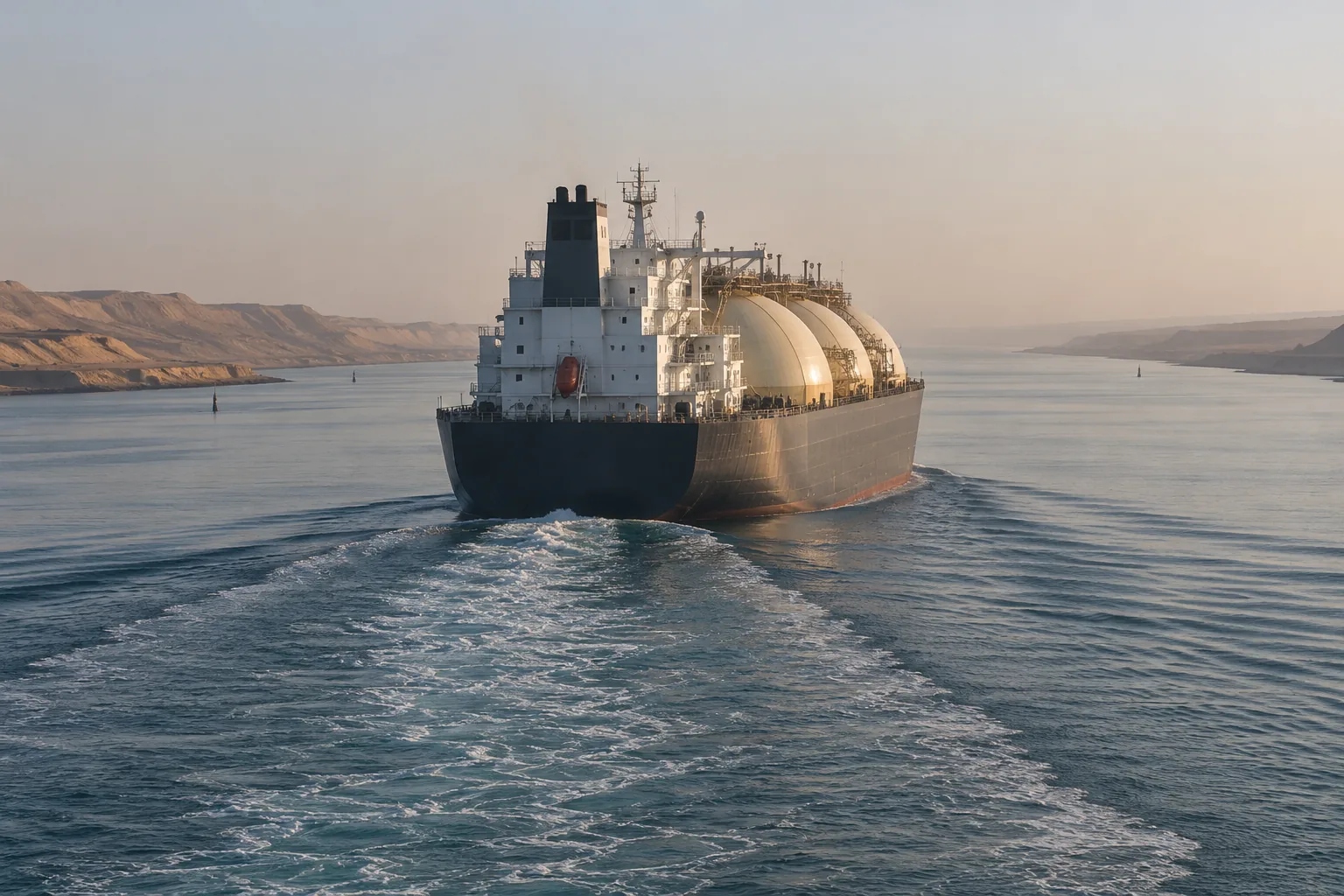
On Monday night a liquefied natural gas carrier called the Disha came up through the Strait of Hormuz under her own power, at ordinary commercial speed, on a filed passage plan, and went on her way. She is Indian chartered and she was the first vessel known to make the transit after the announcement.
That is what the end of a war looks like from a bridge: a ship doing the thing ships do.
Iran’s deputy foreign minister confirmed on Monday that an agreement had been reached ending the war, and the American naval blockade was lifted that night. The fighting began on 28 February. It ran a hundred and seven days.
This is an attempt at an accounting, with the warning that the largest entries in it are the ones nobody can total.
What it cost in people
The honest position here is that there is no reliable aggregate, and anybody offering one is estimating.
What exists is a set of partial figures from parties with different methods and different interests. The Iranian Red Crescent reported 787 deaths from Israeli and American airstrikes within the first days. Lebanon’s health ministry was reporting over two thousand killed and seven thousand injured by the middle of April in the parallel campaign there. American service members were killed in the opening week and in incidents through the spring. Cuba reported thirty two of its nationals killed in Venezuela in an unrelated operation earlier in the year, which belongs to a different ledger and is mentioned only because the two get conflated.
And there are the deaths in the Gulf states, which are the ones most likely to be left out of every account because they were not belligerents: a Bangladeshi worker killed by falling interceptor debris in the Emirates, an Indian worker killed at a Kuwaiti power and desalination plant, casualties at Kuwait’s airport.
Those people were at work.
What it cost in money, where it can be traced
Crude went from the low seventies to above $116 and is now back around the mid seventies. A round trip, which sounds like nothing happened and is not what a round trip means when the cost is incurred along the way.
Thirty countries released four hundred million barrels from strategic reserves, of which the United States contributed a hundred and seventy two. The American reserve is now at its lowest level since 1983. That is not a price; it is the consumption of an option that took four decades to build.
Dubai International lost two thirds of its passengers in a single month. Lufthansa canceled twenty thousand short haul flights. Spirit Airlines, already weak, did not survive the fuel shock and ceased operations after thirty four years, taking with it the jobs and the routes.
Pakistan raised petrol by more than forty percent. Airlines across Asia raised surcharges. Malaysia sent its civil service home to save fuel. India put a billion dollars into keeping its carriers flying.
Who paid
Not the parties, mostly, and this is the thing the accounting makes visible.
The Gulf states absorbed the retaliation for strikes they did not order, using interceptors costing millions against drones costing tens of thousands, on infrastructure they had built and would have to repair.
The shipping industry absorbed a closed strait, which it managed through insurance rather than through seamanship, and which it will be paying for in premiums after the water is safe.
And households everywhere absorbed the fuel price, which is the most evenly distributed and least visible transfer in the whole episode. Nobody in Kuala Lumpur or Karachi or Ohio had a view on Iranian enrichment, and all of them paid.
The cost that has no line at all
Then there is a category that resists accounting entirely, and it is worth naming rather than leaving out because it cannot be quantified.
A hundred and seven days is long enough to change what people expect. Shipping companies have now routed around a strait they assumed was permanent, and discovered what that costs and that it can be done. Airlines have flown schedules that avoid a region and found out which of those routes were worth keeping. Buyers of oil have built relationships with suppliers they had not used.
Some of those adjustments unwind when the situation does. A good many do not, because the switching cost was paid in March and paying it back would be a second cost for no benefit.
The same is true of the air defense stocks that were spent, the interceptors that were not replaced, and the trained crews who held readiness for four months. Those are replaced eventually, at a price, on a production schedule nobody controls, and until they are, the thing that absorbed this war is thinner than it was.
Who collects
Oil producers outside the affected region, who sold the same volume at a far better price for three months and are the largest single beneficiaries of the entire episode.
Hub airports and airlines outside the war zone, who took the traffic that routed around it, and some of whom will keep it.
And the mediators, who have acquired standing: Oman, Qatar, Pakistan and others spent four months being the only channel between parties who would not speak, and that is a durable asset in a region where it is otherwise hard to acquire one.
What is not in the ledger
Three things, and they are the largest.
What happens to Iran’s nuclear program, which was the stated reason for the campaign and about which the agreement announced on Monday has produced a roadmap rather than a settlement.
What happens in Lebanon, where the parallel conflict has its own ceasefire, its own violations, and a party that has refused to disarm and was never at any table.
And whether the Gulf states draw a conclusion about the arrangement they have been in for fifty years, in which they host the bases and absorb the consequences and hold no vote on the escalation. Nothing they have said suggests they intend to change it. Everything about the last hundred and seven days gives them reason to.
The Disha
She is a little over three hundred meters long and carries liquefied gas at minus a hundred and sixty two degrees in insulated tanks, and she made the passage at about fifteen knots, which is unhurried.
Behind her, waiting at anchor off Fujairah and in the Gulf of Oman, are the others: tankers and bulk carriers and container ships that have been holding position for weeks, with crews aboard who have been on the same vessel a great deal longer than their contracts said, watching one ship go through to find out whether it was all right.