
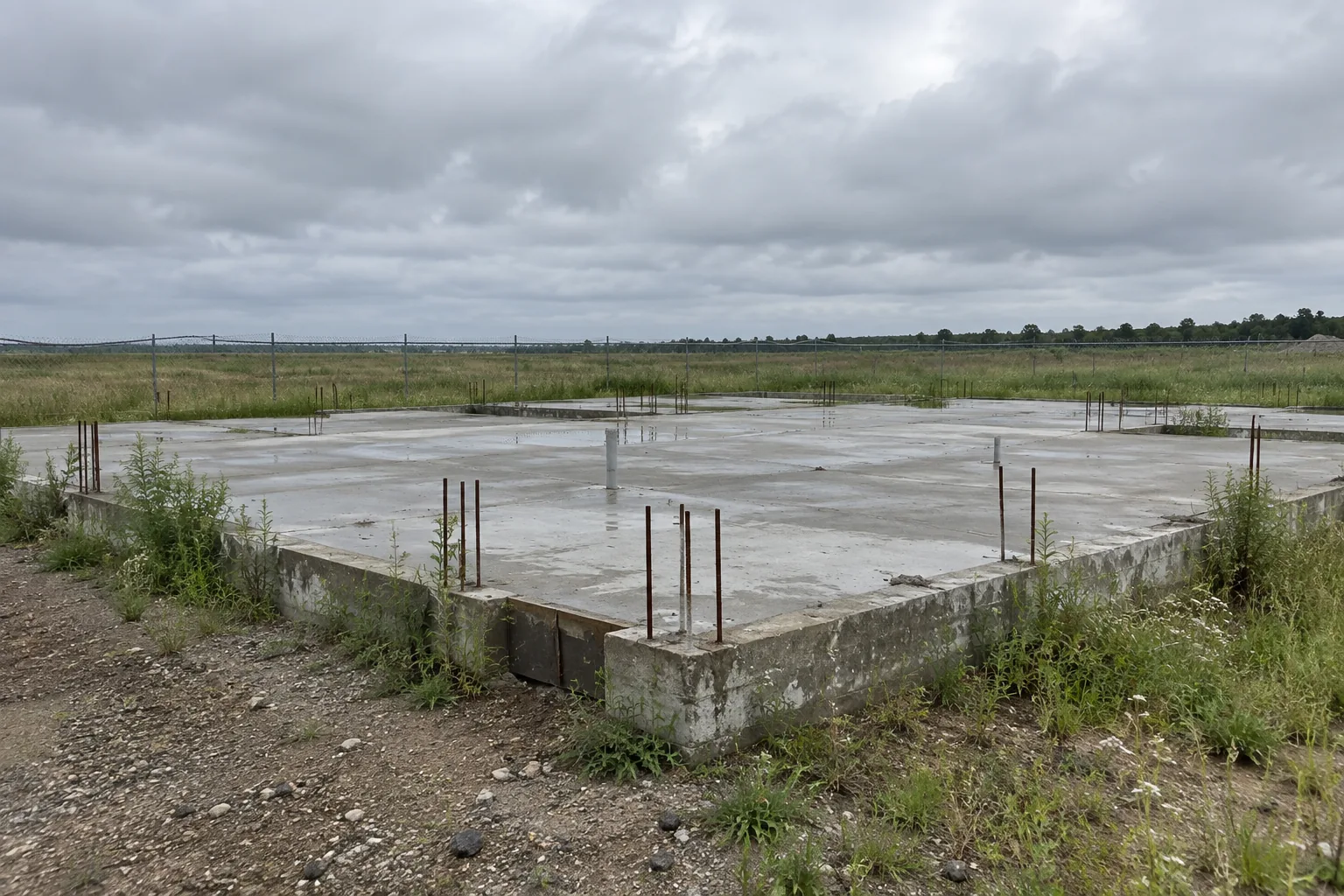
The number being reported is the number of homes this bill will produce, and there is no such number. Nobody has computed one, nobody can, and the bill does not contain a target.
The Senate passed the 21st Century ROAD to Housing Act eighty five votes to five last week, having cleared the House in May. It is now, on any ordinary reading, about to become law.
The argument here is that between a statute passing and a dwelling existing there are three separate gaps, that each of them has historically swallowed housing legislation whole, and that the size of last week’s majority tells you nothing about any of them.
The first gap: authorization and appropriation
American legislation separates permission from money, and the separation is absolute. Nothing about passing one obliges anybody to do the other, and the two are decided by different people on different timetables against different constraints.
An authorization says a program may exist and sets an upper limit on what it may receive. An appropriation actually provides funds. They are different bills, considered by different committees, on different timetables.
A great many authorized programs have never received a dollar. They sit in the code, fully lawful, waiting for an appropriations subcommittee that has other claims on the same ceiling. This is not an unusual outcome and it is not a scandal; it is what happens when a chamber that likes announcing things and a chamber that has to fund them are the same chamber at different moments.
So the operative question about this act is not what it authorizes. It is which of its provisions appear as lines in the next appropriations cycle, and that fight starts in the autumn among people who were not involved in last week’s vote.
The second gap: rules
Large parts of this bill are not spending at all. They are instructions to agencies to change how existing programs work: financing rules for manufactured housing, processes for federal approvals, terms attached to lending.
Those take effect through rulemaking, which means a proposed rule, a comment period, consideration of comments, and a final rule, usually eighteen months to three years from statute to operation. During that period the industry affected will file comments, and the comments will be detailed, and the final rule will differ from the proposal in ways that nobody outside the relevant trade associations will notice.
That is the ordinary administrative process and it is where legislative intent is converted into something operable or something inert. It is also invisible: there is no vote and no coverage, and the officials doing it are not named in anything.
The third gap: the thing Congress does not control
And then, after the money and the rules, a house has to be built by somebody who wants to build it.
Nobody in Congress builds anything, and that is not a criticism. It is the constitutional position.
That decision is made by a developer looking at the cost of land, the cost of materials, the cost of borrowing, the availability of trades, and what the finished unit can be sold or rented for. A federal incentive enters that calculation as one term among six, and it is not usually the decisive one.
Interest rates matter more than any provision in this act, and Congress does not set them. Labor availability matters more, and that is an immigration question this bill does not touch. Land cost matters most of all in the places where the shortage is worst, and that is a local zoning question a federal statute cannot reach.
The precedent nobody cites
The pattern described above is not a hypothetical risk, and American housing law contains a long list of demonstrations.
Programs authorized in housing acts across several decades sit in the code having received little or no appropriation, or having been funded for a year or two and then quietly zeroed as other priorities arrived. The national housing trust fund established in 2008 famously received nothing at all for its first several years, because the revenue stream it was to be funded from was suspended almost immediately.
None of that was a scandal at the time and none of it was reported as a reversal, because the statute was never repealed. It simply never operated, which produces the same outcome with none of the political cost of voting against housing.
That is the specific risk here, and it is worth naming in June rather than discovering in three years: the way housing legislation fails in this country is not usually defeat. It is enactment followed by nothing.
So what was the vote for
Not nothing, and the cynical reading is available and wrong.
Authorization is a precondition. A program cannot be funded before it exists, and creating it is a real step even when the money is a separate fight. Rulemaking on manufactured housing finance genuinely changes what a low income buyer can borrow, and that is the cheapest new housing in the country.
And a bill carried eighty five to five is durable in a way most legislation is not. It survives a change of administration, it is difficult to repeal, and the agencies implementing it know that. Durability is worth a great deal in a policy area where the horizon is a decade.
And there is one thing an authorization does that money cannot buy, which is to settle an argument. A provision enacted eighty five to five is no longer contested ground; the next administration inherits it as the baseline rather than as somebody’s proposal. That matters in a field where the same ideas have been relitigated every four years for decades.
What to watch, in order
Three markers, and they arrive on a known schedule.
The appropriations bills in the autumn, and specifically whether the housing lines carry money against the authorizations in this act or against last year’s baseline. If it is the baseline, the act is a statement of intent and will remain one until somebody funds it.
The first proposed rules, which will appear in the register over the next six to twelve months. The manufactured housing financing rules are the ones to read, because they are the provision most likely to change a transaction a real person is party to.
And the housing starts data, eventually, which is the only measure that answers the question the headline asked. Not next year. Federal housing policy shows up in construction figures on a lag of several years, if it shows up at all, and by then this vote will be attributed to nobody and the people who took it will have moved on to something else.