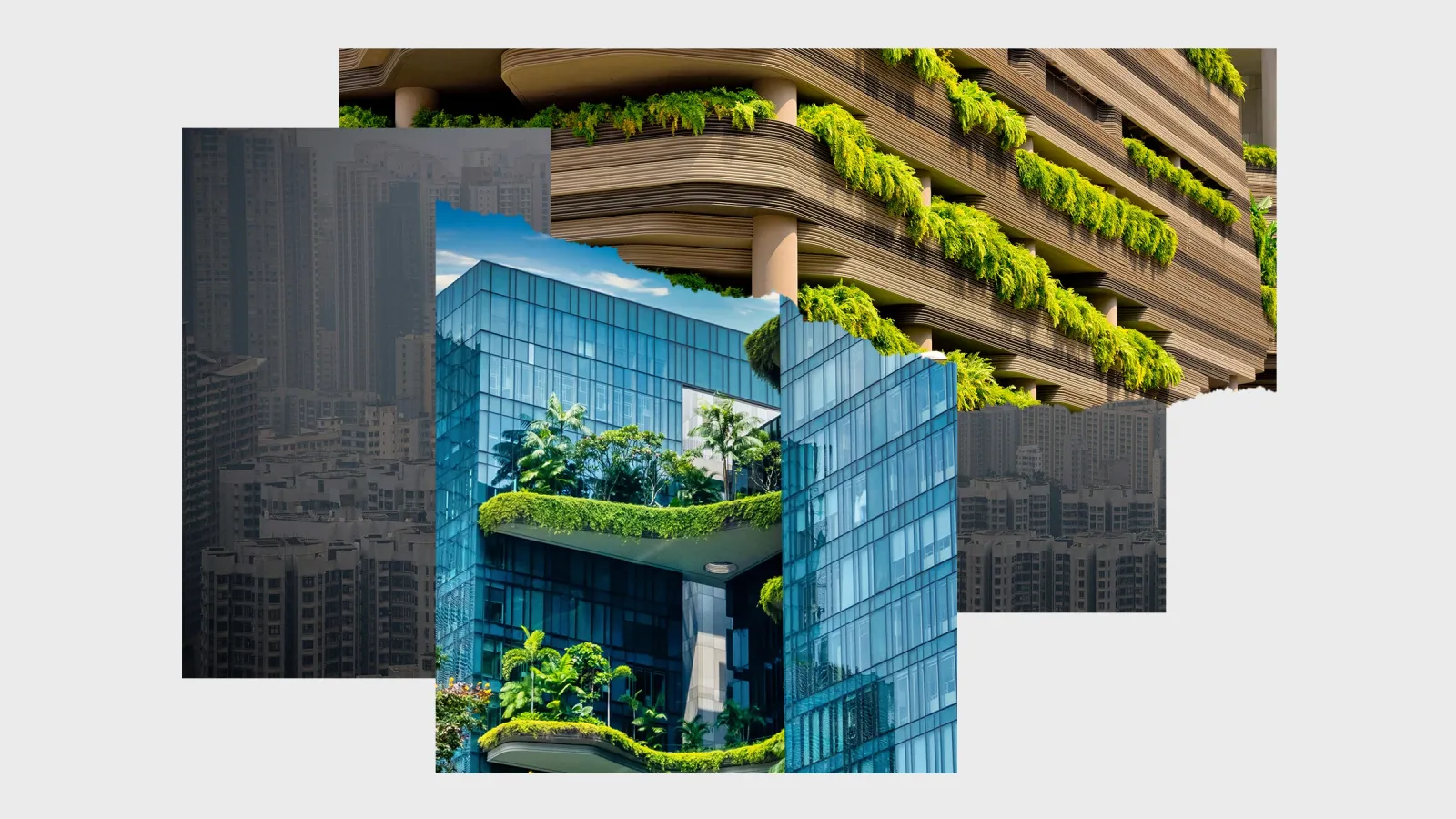
For most of a century, the modern city was a machine for cars. Highways went through neighborhoods, rivers were paved into culverts, and the measure of progress was throughput. That century is quietly ending. The most ambitious urban projects of this decade are corrections: Seoul digging a buried stream out from under a freeway, Copenhagen bicycling its way past the automobile, Singapore stacking gardens into the sky because the ground ran out.
The economics have flipped. Trees raise property values. Walkable districts outsell drivable ones. A park is now understood to be infrastructure, doing flood control, cooling, and public health work that concrete used to promise and never delivered.
What renewal looks like when it works
The successful projects share a trait: they give something back to the pedestrian that the twentieth century took away. Amsterdam did not become a cycling capital by nature; it was a car-choked city that changed its mind in the 1970s. That is the encouraging part of the story. Cities are not geology. They are decisions, and decisions can be remade.
The unglamorous test is maintenance. Ribbon cuttings are easy; pruning ten thousand street trees in year seven is not. The cities that pass that test will be the ones people fight to live in. The ones that fail will have very expensive planters.