Walk through any major art fair this year and you will find it: the arabesque rendered in neon, Kufic calligraphy scaled to the side of a building, the endless geometry of the Alhambra running as code on a gallery screen. Islamic art, one of the oldest continuous visual languages on earth, is having a moment that is less revival than continuation. The tradition never stopped; the audience got bigger.
The vocabulary travels well because it was built to. A visual culture that historically centered pattern, proportion, and script created work that scales from a coin to a cathedral ceiling. Contemporary artists inherit a system, not just a style: rules of symmetry and repetition that reward both the craftsman’s patience and the programmer’s loop.
Craft as living heritage
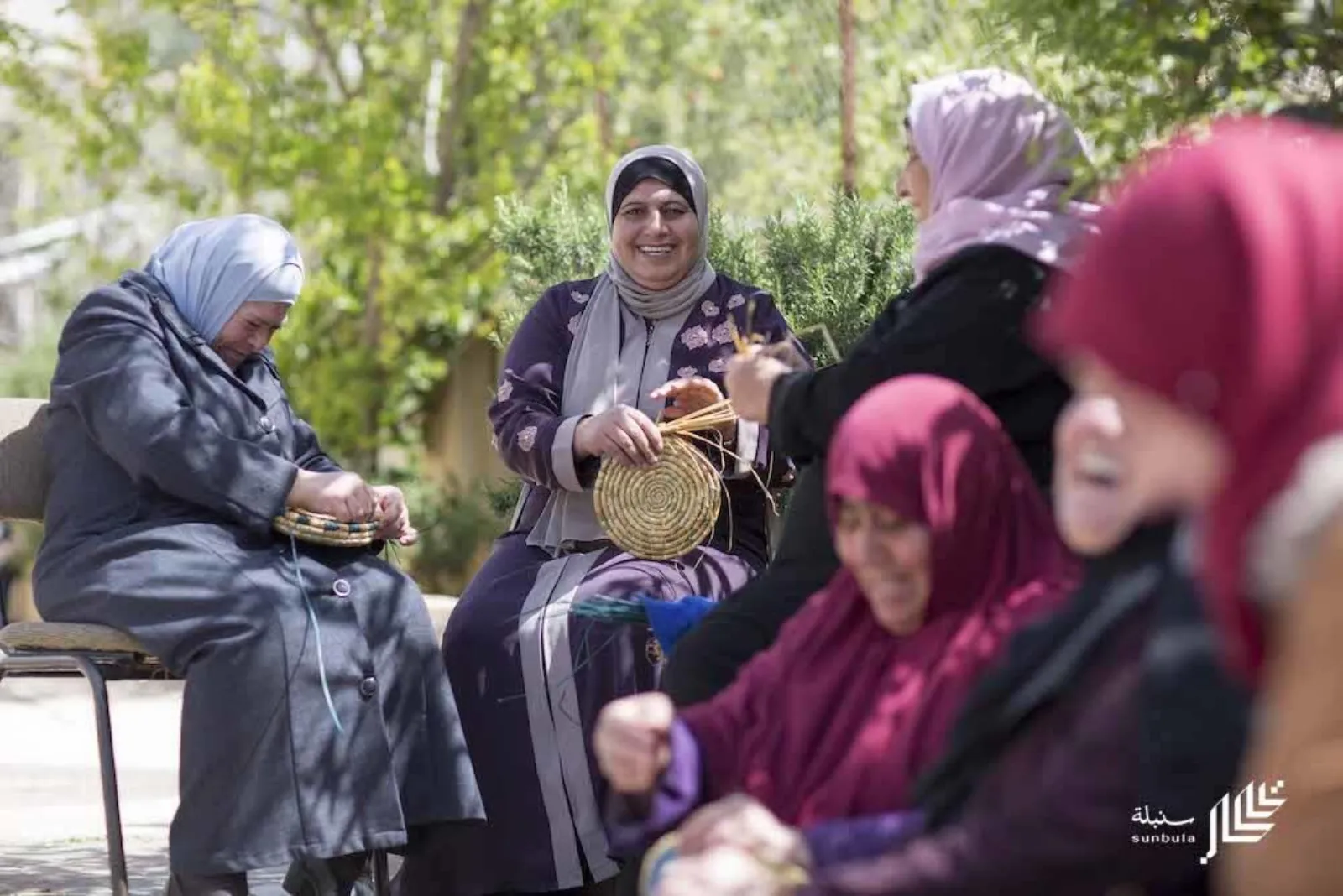
Away from the fairs, the quieter story is economic. Fair-trade workshops from Marrakech to Hebron are keeping techniques alive by connecting artisans directly to global buyers: hand-cut zellige tiles shipped to Brooklyn kitchens, embroidered tatreez patterns carrying regional histories stitch by stitch. Each purchase is a small vote that the skill should survive another generation.
What makes the tradition durable is its premise: that beauty is a form of order, and order a form of devotion. A pattern that can hold that idea for a thousand years can certainly hold a projector, a shader, or a sneaker collaboration. The geometry was always ready for the future. The future is finally studying the geometry.