A Shahed type one way attack drone is generally costed at somewhere between twenty and fifty thousand dollars to build. A PAC-3 interceptor, the missile most likely to be fired at it by a Gulf air defense battery, costs around four million.
Analysts put the resulting exchange ratio somewhere between seventy eight and a hundred and ninety five to one, against the defender. For every dollar spent launching, the country being launched at spends between seventy eight and a hundred and ninety five shooting it down.
That number is the shape of what happened across the Gulf today, and it explains more about where this war is going than any statement made about it.
Today
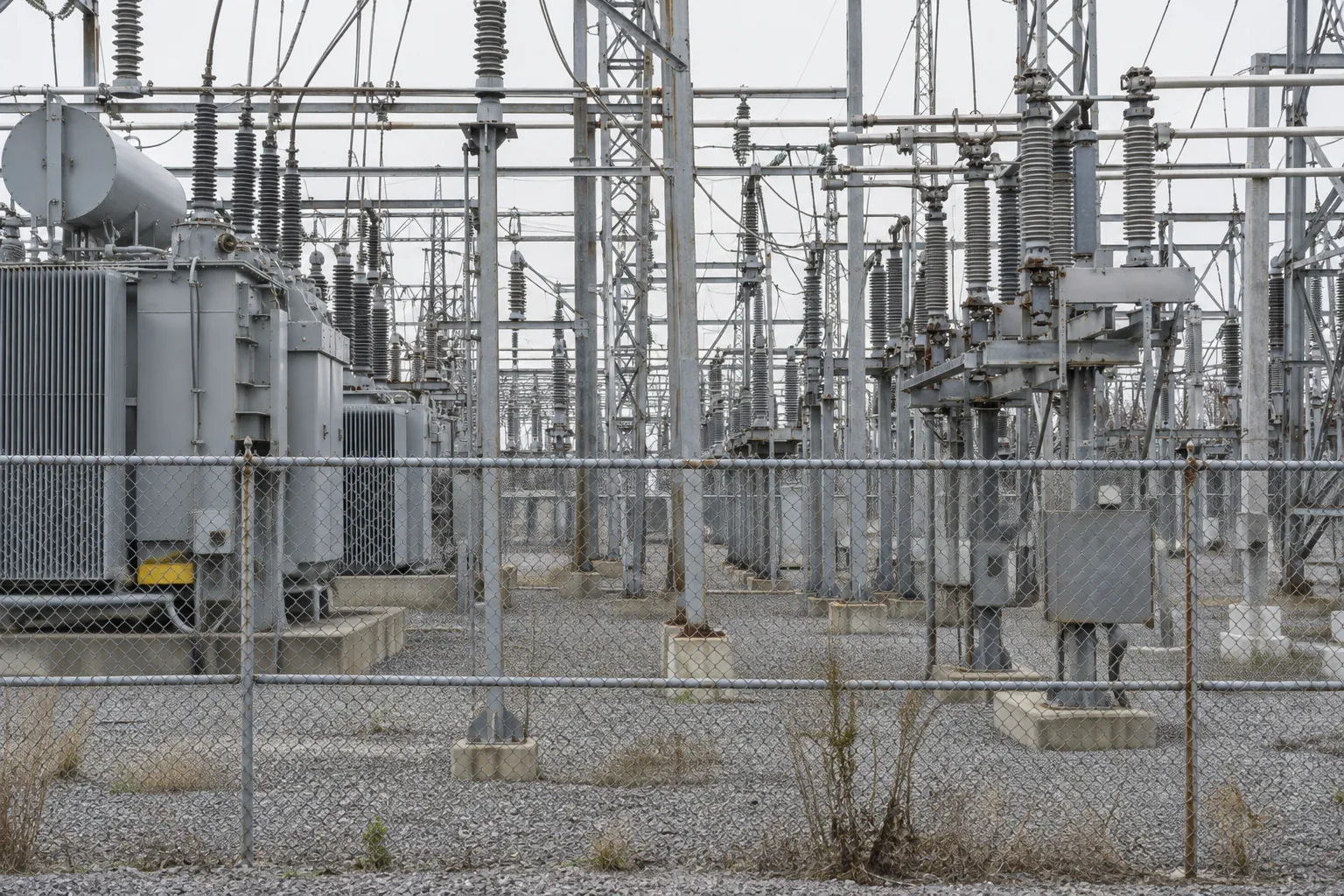
Iranian drones struck fuel storage at Kuwait International Airport, starting a substantial fire. Three ballistic missiles were fired at Qatar; two were intercepted and one hit an oil tanker. In the United Arab Emirates a Bangladeshi national was killed by falling shrapnel during an interception, which is to say he was killed by the defense rather than by the weapon.
None of those three countries is a party to this war. All three host American military facilities. All three have spent the past two decades buying the most capable air defense equipment available, largely from the United States, at very great expense, and all three are now using it.
What the ratio does over time
An exchange ratio of that size does not lose a war on its own. It changes what losing means.
Interceptors are not produced at the rate munitions are consumed. A PAC-3 is a precision object with a long supply chain and a production line sized to peacetime replacement, and the number a country holds is the number it has: there is no surge that arrives within a campaign. Every launcher therefore has a magazine, and every magazine has a bottom.
The attacker’s constraint is different in kind. A one way drone is assembled from commercial components, it needs no recovery, no pilot and no precision beyond arriving somewhere in a large target, and the production rate is limited by factory floor space rather than by anything exotic.
So the two sides are not running down the same kind of stock at the same kind of rate, and the defender’s problem is not affordability in the budget sense. It is that the thing being spent cannot be replaced at the speed it is being used.
What that forces
Three adaptations follow, and all three are visible this week in one form or another.
The first is triage. A battery commander with a finite magazine stops intercepting everything and starts choosing, which means accepting that some drones will arrive. That is a rational allocation and it is also a decision that somebody’s fuel depot is worth less than somebody else’s. It is made in seconds, by people who did not choose to be making it.
The second is a shift toward cheaper defenses: guns rather than missiles, electronic attack on navigation and control links, and directed energy where it exists. Those work against some things and not others, and none is yet a general answer.
The third is the one that ends wars, which is to stop the launches rather than the arrivals. That means striking the launchers and the factories, which is what has been happening in Iran for a month, and which has not stopped the launches.
None of this is new, which is the point
The Gulf has run this experiment before, at lower intensity, for seven years.
From the middle of the last decade, Saudi Arabia absorbed a sustained campaign of drone and missile attacks on its territory, including on oil processing infrastructure, conducted with broadly this class of weapon against broadly this class of defense. The findings then were the findings now: interception rates were high, the cost ratio was punishing, and a small number of arrivals did disproportionate damage because the targets were concentrated and flammable.
What the Gulf states took from that period was a procurement conclusion, and they acted on it: more batteries, more layers, better radar. What they did not take from it, because nobody had an answer, was a solution to the arithmetic. Buying more of an expensive thing does not change the ratio between it and a cheap thing. It only lengthens the period before the ratio matters.
That period is what is being spent now, at a rate nobody planned for, because the previous campaign was conducted by a non state actor with a finite supply and this one is being conducted by a state with factories.
The position the Gulf states are in
Here is the thing that makes this month different from the first weeks of the war, and it is not really about equipment.
Kuwait, Qatar, the UAE and Bahrain are not belligerents. They have not declared anything, joined anything or fired at anyone. They are being struck because of what is stationed on their territory, under agreements signed over decades, in exchange for a security guarantee.
That guarantee is now being tested in the most literal possible way, and the test is producing an uncomfortable finding: the guarantee protects the bases. Whether it protects the country the bases are in is a different question, and it is being answered at a fuel depot in Kuwait and on a tanker off Qatar.
None of these governments has a vote on escalation. The decisions that determine how many drones are launched next week are taken in Washington, in Jerusalem and in Tehran, and the consequences arrive in Manama and Doha and Kuwait City. There is no mechanism by which a host state can say the price has become too high, short of asking the guest to leave, which none of them is going to do.
What they are actually asking for
Which is why the diplomacy this week has come from the Gulf rather than from the combatants. Oman has proposed a protocol on maritime transit. The UK has convened forty countries on reopening the strait. Regional foreign ministers have been meeting since last month.
Read those as the actions of parties with a great deal at stake and no control, doing the only thing available to them, which is to try to construct an off ramp that somebody else might take.
The shrapnel
The man killed in the Emirates was not near a military installation and was not the target of anything.
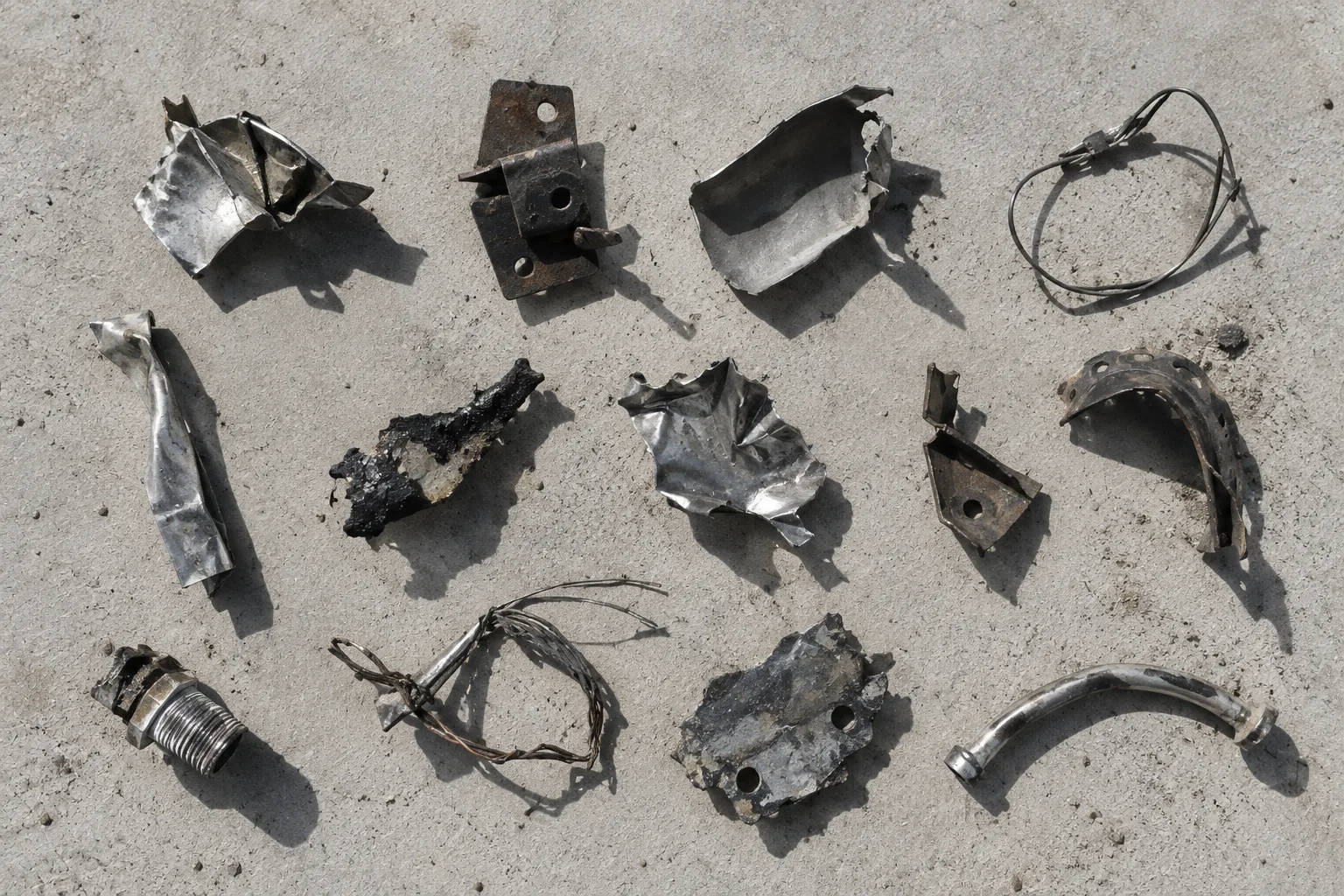
An interception happens at altitude, and what comes down afterwards is the remains of two objects rather than one: the drone, and the missile that met it. The fragments are traveling at whatever speed the collision left them with, they fall across an area rather than a point, and they are indistinguishable on the ground from the fragments of anything else.
He was working outside. The interception was successful.